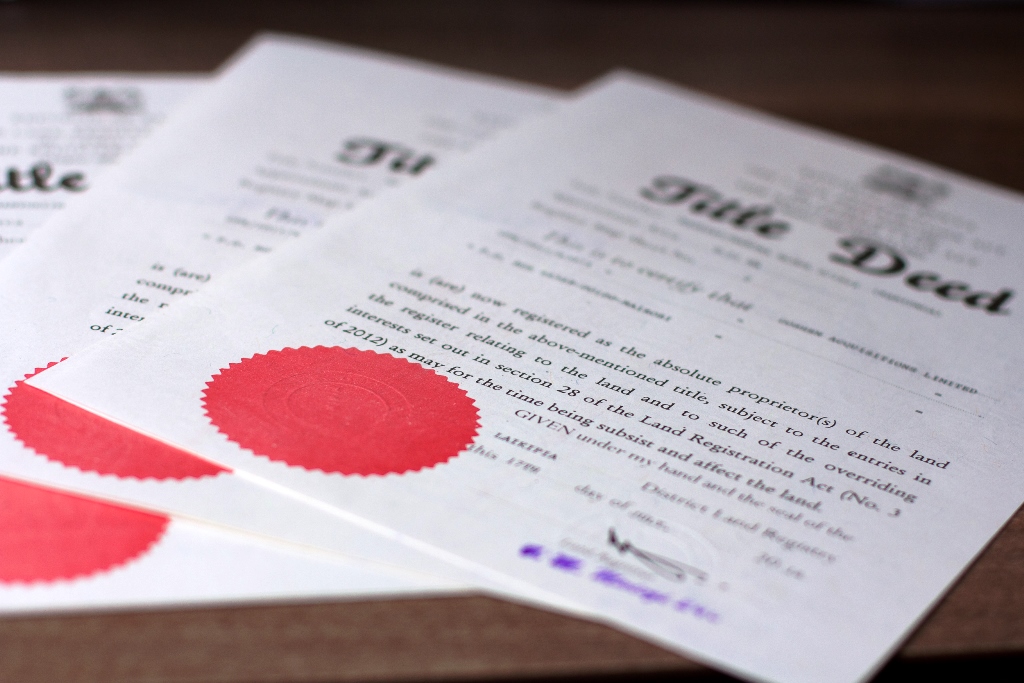
Your first property purchase should be “search-first, pay-last.” Do the official land search, beacon verification, clearance checks, and legal review before you pay a deposit—this is how first-time buyers avoid scams.
If you’re a first-time buyer in Kenya, congratulations—property can be one of the best long-term investments you’ll ever make. But it’s also one of the easiest places to lose money if you skip due diligence. The good news: with a clear process, buying can be safe and stress-free.
What “Buying Property” Means in Kenya
In Kenya, “property” usually falls into these categories:
- Land (freehold or leasehold)
- A house on a plot (standalone, townhouse, maisonette)
- An apartment (often with sectional title or long-term lease)
- Off-plan (buying during construction)
Most first-time losses happen from paying deposits early, trusting a seller’s search, skipping beacon verification, or buying with only an allotment letter.
Step 1: Plan Your Budget Like a Pro
Don’t budget only for the purchase price. Set aside extra for transaction costs and surprises (arrears, consent fees, valuation, etc).
What to include in your budget
- Purchase price (negotiated)
- Due diligence costs (search + surveyor + basic checks)
- Legal fees (advocate conveyancing)
- Government fees (including stamp duty, registration, consents)
- Moving / utility setup (especially if you’re buying a home)
Step 2: The Safe Step-by-Step Buying Process
Confirm the Property Basics
Location, access road, plot size, neighborhood, utilities (water/electricity), and market price range. If a deal is far below market price, treat it as suspicious until proven otherwise.
Do an Official Land Search
Visit the lands office with the title number (or instruct your advocate). Confirm registered owner, parcel details, and whether there are charges/restrictions. Do not rely on a search provided by the seller.
Verify Beacons & Boundaries
Hire a licensed surveyor to confirm beacons match the Registry Index Map (RIM) or deed plan. This is essential for plots in fast-growing areas like Kitengela, Syokimau, Athi River, and Ngong.
Check Rates/Rent & Any Arrears
Confirm land rates clearance with the county and rent clearance for leasehold land where applicable. Unpaid arrears can become your problem after transfer.
Legal Review & Sale Agreement
Your advocate should review ownership, conditions, completion timelines, penalties, and deposit protection. Ensure payments go through clear channels (bank) and are receipted.
Consent, Valuation & Stamp Duty
Depending on property type, consent may be needed (e.g., Land Control Board for agricultural land). Government valuation supports stamp duty assessment before registration.
Transfer & Registration
After completion documents are signed and payments cleared, your advocate lodges the transfer for registration. Once registered, you receive the updated ownership documents.
Step 3: Documents Every First-Time Buyer Must Check
For land
- Title deed / lease (match owner name and parcel details)
- Official search (recent)
- Copy of ID/KRA PIN for individual sellers (or company registration documents)
- Rates clearance (county)
- RIM / deed plan + beacon verification
- Sale agreement (advocate-prepared)
For apartments
- Ownership structure (sectional title / long lease / share certificate depending on development)
- Service charge statement (confirm no arrears)
- Completion certificate and approvals where applicable
- Sale agreement + handover checklist
If a seller is genuine, they won’t fear due diligence. The moment you hear “let’s skip the search,” “pay today to lock it,” or “my lawyer will handle everything,” slow down and verify.
Step 4: Buying with Cash vs Mortgage
Many first-time buyers start with cash (especially for land), while others use mortgages for homes. Mortgages usually require additional checks like valuation, insurance, and strict documentation.
Cash purchase
- Faster completion timeline
- Flexible negotiations
- Still requires full legal due diligence
Mortgage purchase
- Bank does its own risk checks (helpful, but not a replacement for your advocate)
- Extra costs: valuation, legal fees, insurance
- Longer completion period
Step 5: Red Flags to Avoid
Seller refuses official search • price far below market • pressure to pay cash fast • “agent only” transactions with no owner present • unclear ownership structure • photocopied/altered documents • “buy with allotment letter only” • resistance to using an advocate.
Typical Costs to Expect (Quick Guide)
- Search & basic checks: small fixed fees (varies by office/process)
- Surveyor beacon confirmation: depends on location and complexity
- Legal fees: often a percentage or based on advocate scale
- Stamp duty: depends on property type and value
- Arrears: rates/rent/service charge (if any)
FAQs for First-Time Property Buyers in Kenya
Want Help Buying Safely?
Get guided, verified property options and a safe buying process—from viewing to transfer. Ideal for first-time buyers.
Talk to Fridah